Biosimilars: still safe, still effective, still not generics. Why is FDA suddenly pretending they are?

Abstract:The US Health and Human Services (HHS) and the US Food and Drug Administration’s (FDA) new initiative to ‘genericize’ biosimilars by fast-tracking approvals and eliminating key clinical and switching studies represents a radical departure from established global regulatory science. This policy dismisses the foundational distinction between complex biologicals and simple generic drugs—a distinction unanimously upheld by international regulators like […]


Australian biosimilar policies not delivering on intended outcomes: where to from here?

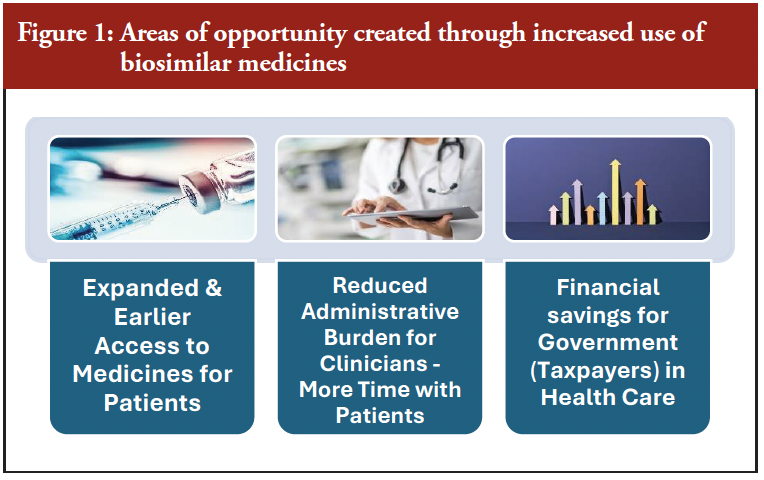
Introduction/Background: Biosimilar medicines represent an opportunity to expand access to medicines and reduce costs for payers through increased uptake. Australia is not fully capitalising on this opportunity relative to other Organisation for Economic Co-operation and Development (OECD) countries, reflected in comparisons of biosimilar medicines uptake by other OECD countries. Understanding of international examples can help to […]


Biosimilars in oncology: beyond regulation—building confidence through evidence and dialogue

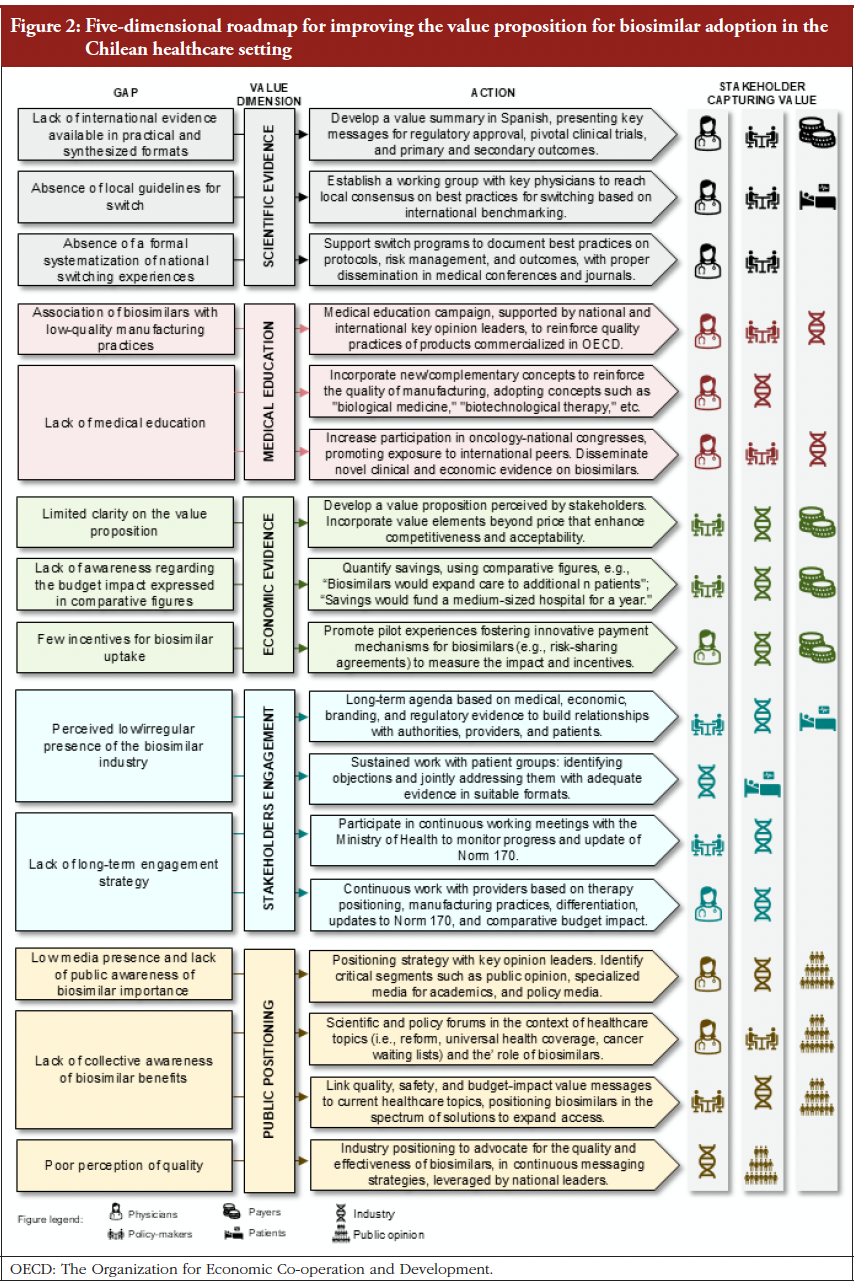
Abstract: This editorial discusses systemic barriers limiting oncology biosimilar adoption in Chile and Latin America, emphasizing trust, education, and coordinated policy actions to strengthen value, equity, and confidence in biosimilars. The manuscript by Paredes-Fernández and Lenz-Alcayaga [1] addresses a key but often neglected question in Latin America: why have biosimilars, despite their proven safety, efficacy, […]


Rising costs of biologicals: effective cost-containment does not please all stakeholders

Abstract: Rieger and Holland provided a report of a stakeholder meeting dealing with the biosimilar uptake in Australia. The proposed policy measures reported may not have a dramatic effect on the biosimilar uptake. From the scientific and medical point of view, the biotech industry has developed wonderful medicines for treating chronic and life-threatening diseases. Unfortunately, […]


Biosimilar trial failed? Investors get their money back: a new insurance model redefines clinical trial financing

Abstract: A new insurance-backed financing model for biosimilars uses AI-powered underwriting to cover clinical trial costs if they fail. This reduces risk, improves capital access, and minimizes equity dilution for developers. Introduction Developing biosimilars has always involved a complex calculus of risk, capital, and time. Now, a newly launched insurance-backed financing model could dramatically change […]


Follow-on biologicals/biosimilars approved in Brazil: September 2025 update

Abstract: In Brazil, the legal framework for approving biosimilars was established in 2010 and the first biosimilar product was approved in 2015. In June 2024, RDC 875 introduced new provisions, including the use of international reference drugs and the possibility of waiving non-clinical and comparative clinical studies under certain conditions. By September 2025, ANVISA had […]


Turkey’s biotech manufacturing ambitions: Yerlika Biopharma’s strategic role

Abstract:Yerlika Biopharma is a pioneering biotechnology company in Turkey. Company CEO, Hasan Zeytin, MD, PhD, spoke to GaBI (Generics and Biosimilars Initiative) about the company’s strategic focus. Yerlika is dedicated to reducing the country’s dependency on imported biological products through localizing biopharmaceutical production in Turkey. With state-of-the-art manufacturing facilities, the company also aims to expand […]


An analysis of policy impacts on the price developments of biological medicines after patent expiration

Introduction/Study objectives: A biosimilar is a biological medicine that is developed to be similar to an existing biological medicine (the ‘reference medicine’) for which marketing exclusivity rights have expired. The prices of such medicines are shaped by regulations onpharmaceutical pricing, or the policy of setting the price of a medicine at certain points in the […]


Transforming health care: CinnaGen’s leadership in follow-on biologicals/biosimilars development and market expansion

Abstract: CinnaGen, the largest biopharmaceutical company in the MENA region, is a leader in developing follow-on biologicals/biosimilars. Dr Haleh Hamedifar, Chairperson of CinnaGen, spoke to GaBI (Generics and Biosimilars Initiative) about the company’s strategic focus, which includes expanding its product portfolio, entering highly regulated global markets, and advancing affordable treatments for conditions such as multiple […]


US interchangeability designation: are we ready to cut the Gordian knot?

Abstract:US Food and Drug Administration’s (FDA) current thinking on interchangeability has evolved since the legal designation was first created in 2010. Based on experience, FDA now acknowledges that clinical switching studies are not generally needed for the interchangeability designation as quality, safety and efficacy are established by biosimilarity already. Approval pathways for biosimilars and interchangeable […]


Aligning environmental, social, and governance to clinical development: moving towards more sustainable clinical trials

Abstract:Drug development is among the highest producers of greenhouse gas (GHG) emissions, with about 4.4%–4.6% of the worldwide GHG emissions coming from the thousands of clinical trials being carried out annually by the pharmaceutical industry. In a world where environmental stewardship, social diversity, and equitable governance (ESG) are progressively becoming biomarkers of business purpose, adopting […]


Increasing adoption of quality-assured biosimilars to address access challenges in low- and middle-income countries

Author byline as per print journal: Pritha Paul1, PhD; Rahul Kapur2*, MBBS, PhD; Shivani Mittra3, MPharm, PhD; Nimish Shah4, JD, MBA; Gopal K Rao1, MSc; Matthew E Erick4, BS, RPh; Susheel Umesh1, BPharm, MBA; Sandeep N Athalye2, MBBS, MD Abstract:Non-communicable diseases (NCDs) disproportionately affect people living in low- and middle-income countries (LMICs) compared to high-income […]